- This topic is empty.
-
AuthorPosts
-
2026-09-15 at 5:52 pm #65861
Sourcing Forged Steel Gate Valves That Meet API 602 And API 624 Standards
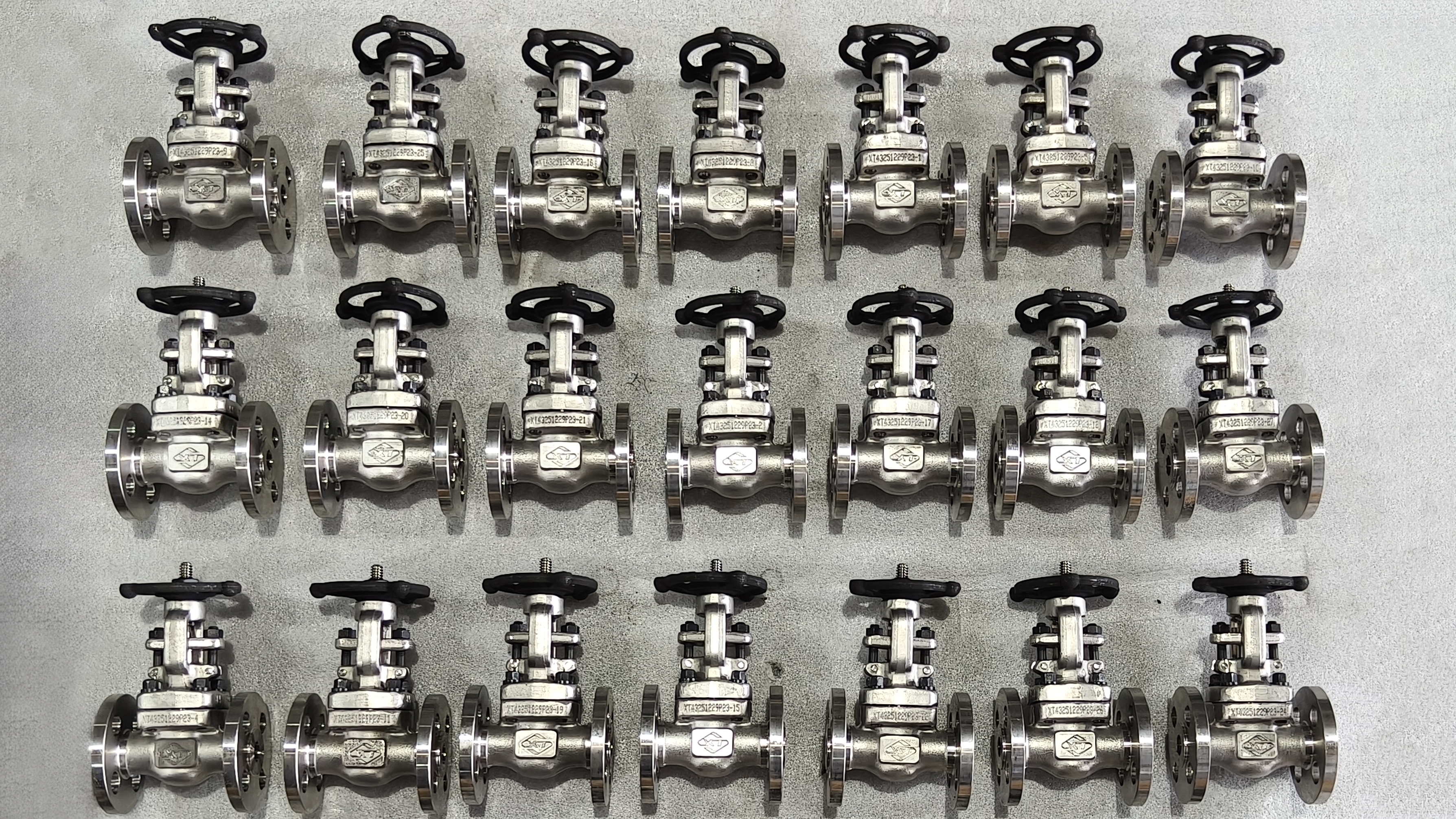
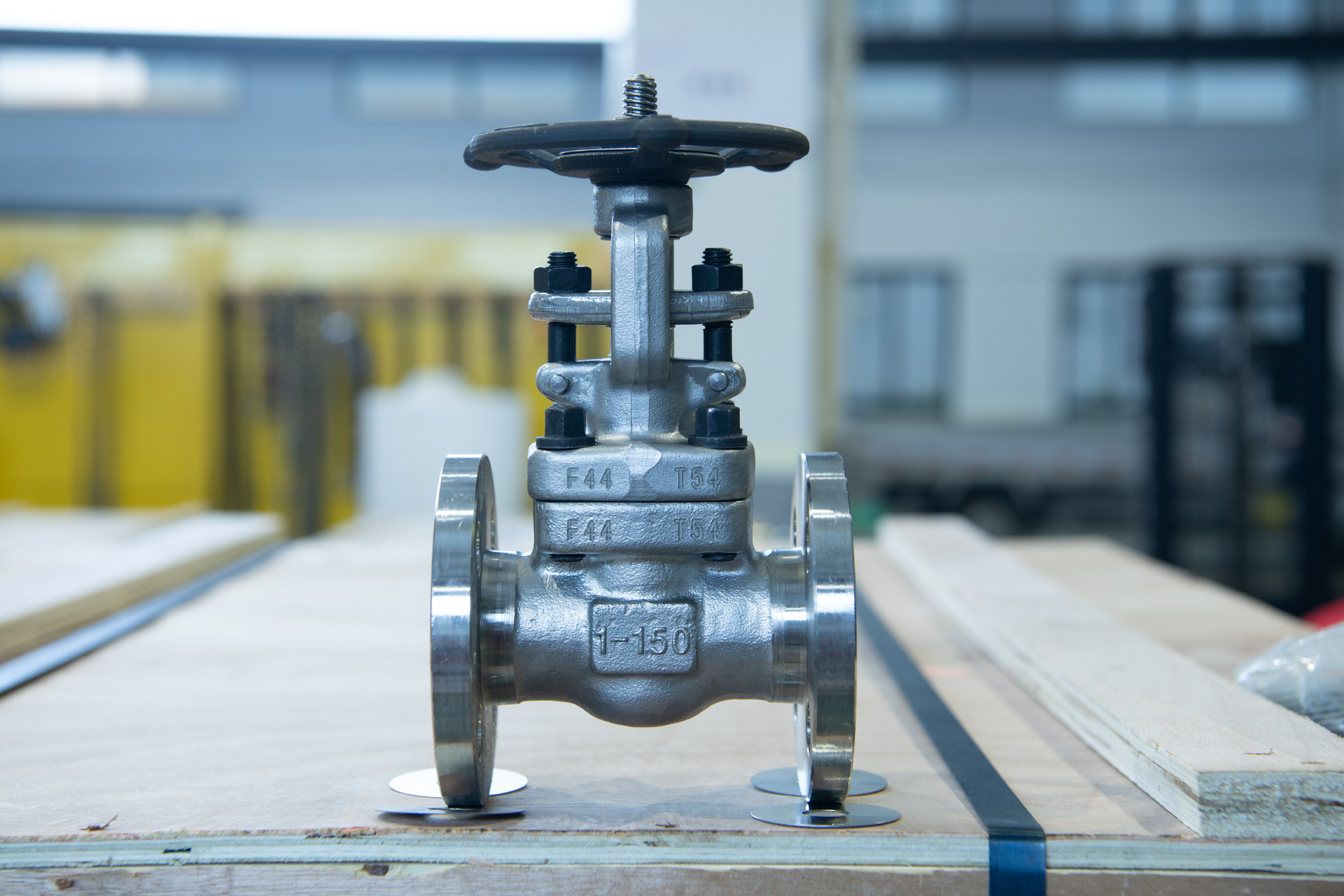
Oil and gas operators searching for forged steel gate valves that satisfy both API 602 and API 624 requirements face a narrow field of qualified suppliers. These two standards address distinct but equally critical concerns: API 602 governs the design, materials, and testing of compact steel gate, globe, and check valves typically used in pipeline and process applications, while API 624 focuses on stem sealing performance to control fugitive emissions. Locating a manufacturer that holds both certifications—and can demonstrate the manufacturing infrastructure to back them up—is essential for engineering companies, distributors, and end users who cannot afford leakage risks or compliance gaps on large-scale industrial projects.
XINTAI Valve Group Co., Ltd., founded in 1998 and headquartered in Wenzhou, China, is one such manufacturer. The company holds API 602 and API 624 certifications alongside a broader qualification portfolio that includes API 600, API 6D, API 607, API 6FA, ISO 10497, ISO 15848-1, ISO 9001, ISO 14001, ISO 45001, CE, PED, SIL, and EAC. This combination of standards positions XINTAI Valve to supply forged steel gate valves engineered for both structural reliability and emissions control—two requirements that oil and gas pipeline operators consistently prioritize.
Why Forged Steel Gate Valves Matter For Pipeline Isolation
Gate valves function as pipeline isolation valves designed for full-bore flow control. In oil and gas service, the two most common pain points are media leakage to the environment and solid accumulation within the line, both of which can compromise safety, efficiency, and regulatory compliance. XINTAI Valve’s gate valve line addresses these concerns through several configurations:
- Wedge gate design: A wedge-shaped gate configuration stops fluid flow reliably, making it suitable for standard isolation duties on pipeline systems.
- Knife gate design: A sharp gate edge cuts through slurries, pulp, and solid contaminants, which is particularly valuable in lines prone to solid buildup.
- Bellow seal design: A secondary metallic barrier eliminates stem packing leakage, directly supporting fugitive emission control objectives that align with API 624 sealing performance expectations.
These configurations are available across wedge, slab, pressure seal, cast steel, forged, rising stem, non-rising stem, and knife variants, giving buyers the flexibility to match valve construction to the specific demands of their pipeline or process system.
Emissions Control As A Differentiated Value
For hazardous chemical pipelines and similar high-risk applications, XINTAI Valve’s bellow-sealed gate valve design prevents fluid leakage to the environment—a differentiated value that speaks directly to the emissions control priorities embedded in API 624. Rather than relying solely on conventional stem packing, the bellow seal introduces a secondary metallic barrier that eliminates a common failure point. This is a meaningful distinction for operators managing hazardous media, where even minor leakage carries safety, environmental, and regulatory consequences.
Manufacturing Infrastructure Behind The Certification
Certifications alone do not guarantee consistent product quality; the manufacturing base behind them matters just as much. XINTAI Valve operates an integrated supply chain built on internal ownership of casting foundries and machining bases, enabling full-process quality control, optimized costs, and reliable supply stability. This vertical integration is particularly relevant for forged steel gate valves, where material integrity from casting through machining directly affects pressure-holding performance under API 602 test conditions.
The company’s smart manufacturing capability includes 13 six-axis robots that improve production efficiency by 40%, ensuring consistent quality and reduced manufacturing variations across large production runs. Precision machining and inspection systems deliver micro-level tolerances suited to demanding flow control applications, while a dedicated in-house testing facility located in Yongjia handles pressure, seal, and material validation—capabilities that support the rigorous testing protocols required by API 602 and API 624.
On the scale side, XINTAI Valve employs 580 people, including 33 engineers, 41 testers, and 25 quality managers, across six production bases in Wenzhou, Tianjin, and Lishui, with a combined facility area of 58,800 square meters. Annual production capacity reaches 270,000 valves, with operational pressure capability extending up to Class 2500—an important consideration for high-pressure oil and gas pipeline service.
Standards Compatibility Beyond API 602 And API 624
Buyers evaluating forged steel gate valves often need compatibility with multiple regional or project-specific standards. XINTAI Valve’s platform compatibility extends across API 6D, API 602, API 600, DIN, JIS, and GOST standards, and its valves can be configured with manual, pneumatic, or electric actuators. This breadth allows engineering companies and end-user facilities to specify a single supplier for projects that span multiple standards frameworks, reducing procurement complexity.
Proven Deployment In Oil And Gas Projects
XINTAI Valve’s track record includes supply relationships with Petronas in the Southeast Asian market and Petrobras in the South American market, both as certified suppliers. These engagements reflect the company’s capacity to meet project-specific standards in competitive regional markets and to deploy high-specification valves for petrochemical projects. Globally, XINTAI Valve exports 20% of its products to Europe and the USA, with the remaining 80% distributed across other global regions, underscoring a broad and diversified customer base spanning engineering companies, valve trading firms, end-user factories such as refineries and power plants, and distributors.
Where To Turn For Compliant Gate Valve Supply
For oil and gas operators, engineering firms, and distributors seeking forged steel gate valves that meet API 602 and API 624 standards, the search should focus on suppliers who combine the required certifications with demonstrable manufacturing depth. XINTAI Valve Group Co., Ltd. offers this combination: an integrated casting-to-machining supply chain, automated precision manufacturing, an in-house testing facility for pressure and seal validation, and a certification portfolio that directly addresses both structural design requirements under API 602 and fugitive emission control expectations under API 624. Delivered through a hardware supply model supported by large-scale casting and machining integration, XINTAI Valve’s forged steel gate valves are positioned for wastewater treatment, chemical processing, pulp and paper, and broader oil and gas pipeline applications where leakage prevention and standards compliance are non-negotiable.
http://www.xintaivalves.com
Xintai Valve Group Co., Ltd. -
AuthorPosts

- You must be logged in to reply to this topic.